How much does it cost to move to Playa del Carmen in 2026?
My experience after more than 13 years
“How much do you need to earn to live in Playa del Carmen?”
It is probably the question I get asked most often.
Some people think €800 a month is enough to live like a king here; others imagine the city has become completely unaffordable. As usual, the truth lies somewhere in the middle.
I have lived in Playa del Carmen since January 2013. I opened my first business here, built my life here and now run three locations with my family. Over the years I have watched the city change dramatically: rents have risen, some services have improved and others have become more expensive. One thing, however, has not changed: with good planning, you can still live well here.
You will not find unrealistic promises or numbers copied from other websites in this article. Based on my own experience, I will explain the expenses you need to allow for if you are thinking about moving to Playa del Carmen.
Before you leave: how much money do you really need?
One of the questions I hear most often is:
“Can I come with €10,000 and see how it goes?”
My answer is simple: no.
Moving to another country means facing a lot of expenses all at once.
For example:
- your flight;
- a security deposit;
- the first month’s rent;
- possibly a car or scooter;
- furniture and household items if the apartment is unfurnished;
- immigration paperwork;
- health insurance;
- an emergency fund.
My advice is to arrive with enough savings to live calmly for several months—better still, for a year—without having to accept the first job available or make rushed decisions.
Rent: the biggest expense
Rents have gone up enormously in recent years.
When I arrived in Playa del Carmen, I paid 5,000 pesos a month (about €250) for a 100 m² apartment in a gated community with 24-hour security, a pool and green areas. Today that same apartment rents for around 15,000 pesos, about €750.
That is a 200% increase in just over thirteen years.
The price depends on the area, the type of property and whether it is intended for residents or tourists.
I always give the same advice: do not rent a home from Italy without seeing it in person. Photos can be misleading, and a neighborhood that feels quiet during the day may be very different at night. Book a B&B or hotel for a week or more, take your time, look around and find the apartment that actually suits your needs.
And what about local salaries?
This is a crucial point for anyone thinking about moving to Playa del Carmen and finding a job once they arrive.
The cost of living has risen sharply, but local salaries have not always grown at the same pace. That is why you need to do the math with your feet firmly on the ground.
To give you an idea, a cashier or shop assistant may earn around 10,000 pesos a month, while a bank employee in Playa del Carmen may earn about 12,000 pesos a month. At chains such as McDonald’s, nationwide pay for general positions is often lower, around 5,000–6,000 pesos a month, although it can vary by city, shift and contract type.
Police officers, especially state officers, are a different case. In Quintana Roo, some positions pay above the national average, with salaries that may exceed 20,000 pesos a month.
Waiters, baristas and hotel staff deserve a separate mention. Base pay in this sector may not be high, but tips can make a big difference to final income. Someone working in a good restaurant, beach club, hotel or very touristy area can supplement their salary well, especially during high season.
Be careful, though: tips are not guaranteed. They depend on the venue, shift, season, clientele and your own ability to work well with the public. So do not build your budget around the best months alone; low season counts too.
The point is simple: living in Playa del Carmen on a local salary can be very different from what someone arriving from Europe imagines. The picture changes if you have foreign income, a remote job, a pension, substantial savings or a well-planned business project.
In other words, do not ask only how much it costs to live here. Ask, above all, where the money you plan to live and buy groceries with will come from.
Buying groceries
This is one of the biggest surprises for many Italians.
Not everything costs less than it does in Italy.
Local products are generally affordable, while products imported from Europe can cost as much as twice the price.
If you learn to adapt to Mexican products, you can save quite a lot. If you want to keep buying mainly Italian or imported goods, be prepared to spend considerably more.
- A 500 g package of Rummo penne or spaghetti: 65 pesos (€3.20)
- 600 g of Italian peeled tomatoes: 60 pesos (€3.00)
- One kilogram of San Marzano-style tomatoes: 25 to 65 pesos depending on the season—you can do the euro conversion yourself!!
- A bottle of good extra-virgin olive oil: 375 pesos, about €18
- An espresso at the bar: 35 to 60 pesos, standing up—not at a table, obviously.
- One kilogram of apples: 40 to 80 pesos
- One kilogram of tortillas: 22 pesos*
* prices updated in July 2026
Eating out
Playa del Carmen has places for every budget.
You can have breakfast for just a few euros, or dine at the most touristy restaurants and face a much steeper bill.
For a sit-down dinner in a good restaurant, it is difficult to spend less than €35 per person. If you love tacos, carnitas, ceviche, pozole and local food, however, you can eat extremely well for much less.
As a reference, a simple margherita pizza generally starts at around €12.
How much does it cost to go to the beach?
One thing that surprises many people who arrive in Playa del Carmen is that a day at the beach can cost… absolutely nothing.
Many of the city’s beaches are completely free: you can walk in, find a spot on the sand, bring your own food and drinks and spend the entire day without paying a peso.
For much of the year these beaches are well maintained, and there is almost always a kiosk, restaurant or Oxxo nearby where you can buy something to eat or drink.
Some of the best-known public beaches are:
- Plaza de los Fundadores;
- Avenida 38 beach;
- Avenida CTM beach;
- Avenida 72 beach, one of the few where you may bring your dog;
- Avenida 88 beach;
- Punta Esmeralda, famous for the small cenote that flows directly into the sea.
If you prefer a few more comforts, there are plenty of paid beach clubs.
Admission generally starts at about €3 per person and includes access to facilities such as restrooms, showers and equipped areas.
Some places, such as Xpu-Há, offer very appealing arrangements: for around €15 per person, you get an umbrella, loungers and facilities, and in many cases the full ticket price is deducted from whatever you spend on food and drinks during the day.
Then there are the hotels’ famous day passes.
For an average of about €60 per person, you can spend a full day at an all-inclusive property, with loungers, umbrellas, pools, breakfast, lunch and—in some cases—even dinner, depending on when service closes.
In other words, Playa del Carmen really does have an option for every budget: enjoy a beautiful day by the sea for free, or treat yourself to a five-star resort experience when you feel like it.
Car or no car?
For many people, a car is not essential.
It depends greatly on where you live and where you work.
For a family, however, it often becomes almost necessary.
Besides the purchase price, you need to consider:
- insurance; it is not compulsory, but going without it is risky!! If someone is injured in a collision, the person at fault, if uninsured, goes to jail until all third-party damages have been paid out of pocket!!
- gasoline; (today it costs about €1.40 per liter)*
- maintenance; (finding a mechanic you can trust is not easy at all!)
Healthcare
This is one area I strongly advise you not to underestimate.
Private healthcare in Mexico is generally good, but it comes at a significant cost.
My family of three—mother, father and a 14-year-old son, with me now over 50—spends around €4,000 a year on private insurance.
One piece of advice: always read the policy conditions carefully. Getting reimbursed for the most expensive care is not always straightforward, and insurers often apply clauses and limitations.
If you have children
For a family, many other expenses come into play.
For example:
- private school: roughly €250 to €600 a month; (it varies by level)
- school supplies;
- transportation;
- sports activities;
- medical appointments.
A visit to a general practitioner generally starts at around €70, while specialists can cost considerably more.
The expenses almost everyone forgets
This is where many people get it wrong.
They do the math based only on rent, and then the “hidden” expenses arrive.
For example:
- air conditioning almost all year round (I have received bills as high as €500 for two months);
- internet (about €30 a month, although service outages are not unusual);
- a mobile phone;
- drinking water;
- home maintenance; (the salt air eats everything alive!!)
- small appliances; (they rust)
- flying back to Italy once a year to see family and friends (yes, you actually have to fly there…)
- immigration paperwork;
- document renewals.
Immigration procedures deserve a chapter of their own. If you hire experienced professionals, you may spend several thousand euros, but you often save time and avoid mistakes.
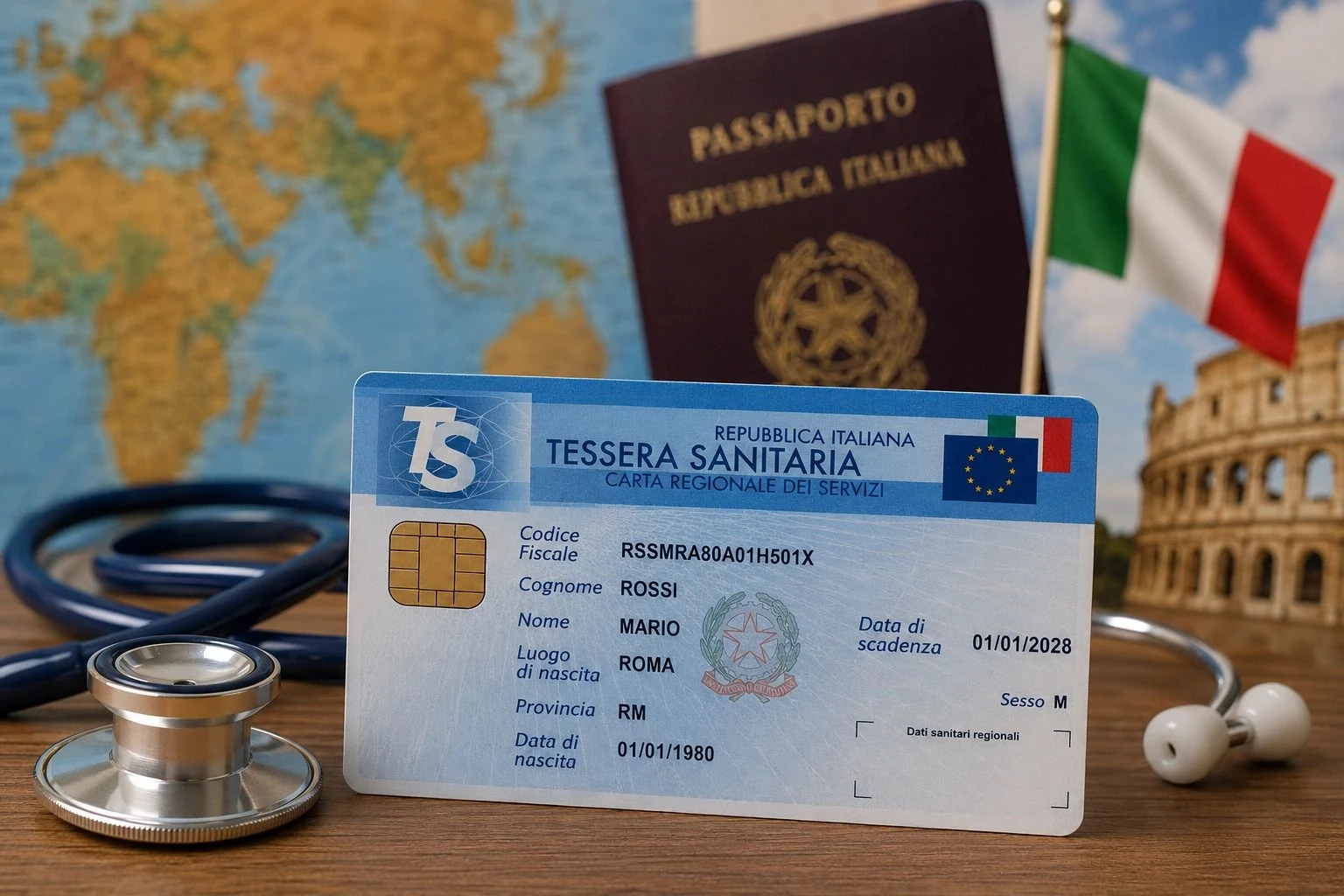
Add to that the cost of renewing personal documents such as your passport, driver’s license or other certificates. If you are registered with AIRE (read my article here), many administrative procedures are simpler, but they still bring expenses that need to be considered over time.
The mistakes I see most often
Over the years, I have watched many people arrive… and many leave again.
The most common mistakes are nearly always the same:
- arriving with too little in savings;
- inventing a business “that does not exist here” and assuming that is enough to succeed. I have seen piadina shops, fried-food shops, arancini shops, sandwich bars and many other places open, only to close a few months later;
- not learning Spanish;
- choosing a home in a very expensive area just to look cool;
- living as if you were permanently on vacation.
I would add two more.
Thinking you can open a little kiosk on the beach and live happily ever after is now an illusion.
The most common mistake of all, though, is another one: opening a restaurant or café without any experience in the industry.
There is a little exchange that sums this up perfectly. When you introduce yourself to a Mexican, the first question is almost always:
“Are you Italian?”
The second, right on cue, is:
“Do you own a restaurant?”
That is because, over the years, countless Italians have arrived in Playa del Carmen convinced that opening a place was all it took to succeed. Many think: “I make an exceptional carbonara for my friends back in Italy, so I can open a restaurant.”
Unfortunately, it does not work that way.
Playa del Carmen is far more competitive today than it was ten or fifteen years ago. Customers are more demanding, competition has grown and improvising is no longer enough. You need experience, organization, consistent quality and sound business management.
If you move with a large family, you need a truly solid plan. Either you already have substantial assets that can carry you through unexpected problems, or you must create a business capable of generating enough income to support the whole family from the start.
So… how much do you really need?
There is no single answer that works for everyone.
It depends on your lifestyle, your family and your expectations.
In future updates to this guide, I will add detailed tables showing the real costs of:
- rent;
- supermarkets;
- utility bills;
- cars;
- insurance;
- healthcare;
- schools;
- pets;
- the gym;
- mobile service;
- internet;
- restaurants;
- daily life.
The goal is to create a guide that is updated every year and based solely on my own experience and the prices I actually see in Playa del Carmen.
Conclusion
Moving to Playa del Carmen can be an extraordinary choice, but it requires preparation, realism and sound financial planning.
In more than thirteen years, I have met people who managed to build a new life and others who returned to Italy after only a few months. In most cases, luck was not the difference. Planning was.
I hope this guide helps you leave with realistic expectations and a concrete plan.
A personal note
When I arrived here in 2013, I had enthusiasm, plenty of doubts and an enormous amount to learn. Even today, I continue to discover new sides of this city.
That is why I will update this guide regularly: Playa del Carmen changes quickly, and anyone who wants to move here deserves information based on reality, not clichés. If you have questions, do not hesitate to contact me by email or on social media. Thank you for reading all the way to the end. If you enjoyed it, share the article and help other people make the decision that could change their lives!
A.C.